From Awareness to Accountability: The Next Chapter for Endometriosis
March 18 | 5 minute read

Words by Bridget Hustwaite
When I began writing my first book, How to Endo, in 2020, it was born out of both frustration and determination. After spending 12 years fighting for a diagnosis, I knew firsthand how exhausting, isolating, and confusing endometriosis could be.
At the time, there wasn’t a single book that brought together clear, practical medical information with the real, lived experience of a patient. The resources that existed felt clinical, overwhelming… dare I say, even boring! I wanted a book that felt inclusive, accessible, and digestible. A book that spoke to you, not at you. Something that felt like a fun, knowledgeable friend guiding you through the process of seeking a diagnosis and learning to live fully with an incurable chronic condition. The book I wish 15-year-old Bridget had when she first realised her periods weren’t normal.
Now, during Endometriosis Awareness Month, I find myself reflecting on what has shifted and what still needs to change.

Without a doubt, the greatest shift has been awareness. More people are talking about endometriosis than ever before. Conversations that once happened in whispers now unfold across social media, workplaces, and dinner tables. Young people are recognising symptoms earlier. Employers are beginning to understand their responsibility in supporting staff with chronic illness. The patient community no longer has to endure in silence. We’re informed. We’re connected. And we’re advocating for ourselves in ways we couldn’t before.
Unfortunately, clinical reality still hasn’t caught up.
For many patients, this has meant revisiting their own surgical histories, pathology reports and medical advice. The emotional toll of questioning past care is profound; when confidence in a system that already demands relentless self-advocacy is shaken, it can feel utterly destabilising.

As I approach 35, still navigating pain and fertility concerns, I’ve found myself reflecting deeply on my own care and its long-term implications. Living with a chronic illness means placing enormous faith in medical specialists – entrusting them with our bodies, our fertility and our futures.
More broadly, this situation has laid bare the urgent need for consistent, regulated endometriosis care. No patient’s wellbeing should hinge on geography, luck or access to a single ‘specialist’. No-one should have to become a full-time researcher to protect themselves from misinformation. No-one should be offered endless band-aid solutions for a systemic, inflammatory disease that requires multidisciplinary, long-term management. Specialists must put patients above profit, and at a government and systemic level, there needs to be stricter guidelines and monitoring of what medical professionals are actually communicating to patients. There needs to be greater financial incentives for medical professionals to train and remain as true excision surgeons – not exploit the wallets and trust of patients in pain.
If awareness was the first chapter of this movement, regulation must be the next. We need national standards for surgical accreditation, transparent outcome reporting, mandatory specialist training grounded in up-to-date research, and integrated care teams that include pelvic health physiotherapy, pain specialists, mental health support and informed GPs.

We need systems that protect patients, not reputations.
It's hard not to feel defeated and deflated but I remain hopeful. The community is stronger, louder and more informed than it was five years ago. Patients are organising. They are asking sharper questions. They are demanding data, transparency, and reform. That shift from silent suffering to collective advocacy may be the most powerful change of all.
For Endometriosis Awareness Month 2026, the message is clearer than ever: awareness is essential, but accountability is everything. We deserve both.
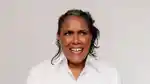
Bridget Hustwaite is an Australian journalist, TV and radio presenter and bestselling author of How to Endo.