History of Beauty
From the 1900s to today, this timeline traces how beauty has been seen, shaped and shared. It's a record of women's stories – ritual, resistance and expression – because beauty is culture.

Themes
2020s
SKIN, SCREENS AND STRUCTURAL RECKONINGS

DATE
2025
THEME
CULTURE, GLOBAL
ENTRY
GLP-1S RESHAPE THE BEAUTY IDEAL
As GLP-1 medications – originally used to treat diabetes – went mainstream, runways thinned again, with under 1% of 2025 fashion shows featuring plus-size models. Rapid weight loss also produced a new beauty vocabulary: ‘Ozempic face’, which became shorthand for facial volume loss and skin laxity. GLP-1 use joined wider conversations about fillers, fat grafting and cosmetic surgery, creating new beauty paradox: medicine made dramatic weight loss increasingly achievable, while creating new aesthetic concerns. It also signalled a shift away from the body-positivity era, and towards thinness as a dominant beauty ideal. Research is still underway into what these drugs might do beyond weight loss.
REFERENCES
(IMAGE) 2025, Sebastian Reuter, Getty Images.

DATE
2025
THEME
CULTURE, GLOBAL
ENTRY
AI BECOMES MAINSTREAM
In less than three years, more than 1.2 billion people had used AI tools – a pace of adoption faster than the internet, personal computer or smartphone. And as generative AI made ‘perfect’ faces easier to generate, the marks of real human creativity – individuality, imperfection, personal taste – began to feel more valuable, with a renewed appetite for the visibly human: handmade objects, analogue processes. At the same time, AI was reproducing the biases contained in its training data, raising new questions about whose version of beauty these systems were learning, and repeating.
REFERENCES
(IMAGE) 2026, Your Creative Agency.
DATE
2025
THEME
CULTURE, POLITICS, IDENTITY
ENTRY
A LIVING ARCHIVE OF BEAUTY CULTURE
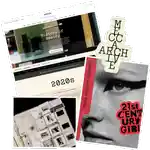
Beauty never stood still. Now, it finally gets its own place in history, with the launch of the MECCA Archive: a platform built to preserve and question how beauty has been shaped by power, people and protest. With oral histories, community contributions, Blak and queer editorial commissions and user-submitted artefacts, it embraces beauty in all its multitudes. And, it asks: whose beauty stories have we missed? And what do we want remembered?
REFERENCES
Vanishing Culture: A Report on Our Fragile Cultural Record, Luca Messarra, Chris Freeland & Juliya Ziskina (eds), Internet Archive, October 30, 2024.
(IMAGES) 2025, MECCA.
DATE
2024
THEME
GLOBAL
ENTRY
BEAUTY ON LOOP: TIKTOK’S ENDLESS AESTHETIC SCROLL
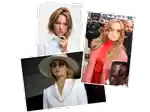
TikTok cemented its place as beauty’s most powerful and paradoxical engine with beauty micro-trends like ‘Mob Wife’, ‘Clean Girl’, ‘BBL Wave’, and ‘Cottage Core’, to name a few. These cycled through at lightning speed.
REFERENCES
(IMAGE) 2024, MECCA.
(IMAGE) 2024, INSTAR Images LLC, Alamy.
(IMAGE) 2020, AJ Pics, Alamy.
DATE
2023
THEME
CULTURE, GLOBAL, IDENTITY
ENTRY
STRONG, SEEN AND HERE TO STAY
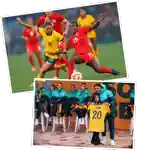
The Matildas’ historic 2023 World Cup run sparked a 30% surge in girls’ football registrations. More than a sporting triumph, it reshaped who gets to be seen as strong, confident and celebrated in their own skin. Girls saw themselves on the world stage – and believed, finally, that they belonged there.
REFERENCES
(IMAGE) 2022, UK Sports Pics Ltd, Alamy.
(IMAGE) 2023, SOPA Images Limited, Alamy.
DATE
2023
THEME
CULTURE, GLOBAL
ENTRY
PAMELA ANDERSON GOES MAKEUP-FREE
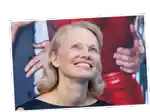
At Paris Fashion Week in 2023, Pamela Anderson stepped out makeup-free – calling it “an adventure in Paris with fresh eyes.” Her quiet rebellion against beauty norms struck a chord: “There is beauty in self-acceptance, imperfection and love.” A soft but seismic shift in what red carpet beauty could be.
REFERENCES
(IMAGE) 2025, UPI, Alamy.
DATE
2023
THEME
PRODUCT, GLOBAL
ENTRY
INJECTABLES, INFLUENCERS AND THE NEW NORMAL
Preventative Botox. Baby Botox. Filler fatigue. Aesthetic procedures became a casual conversation on TikTok. Clinics posted before-and-afters like memes. Cosmetic tweaks once whispered about were now brand content, influencing across generations.
REFERENCES
(IMAGES) 2025, MECCA.
DATE
2023
THEME
CULTURE, POLITICS
ENTRY
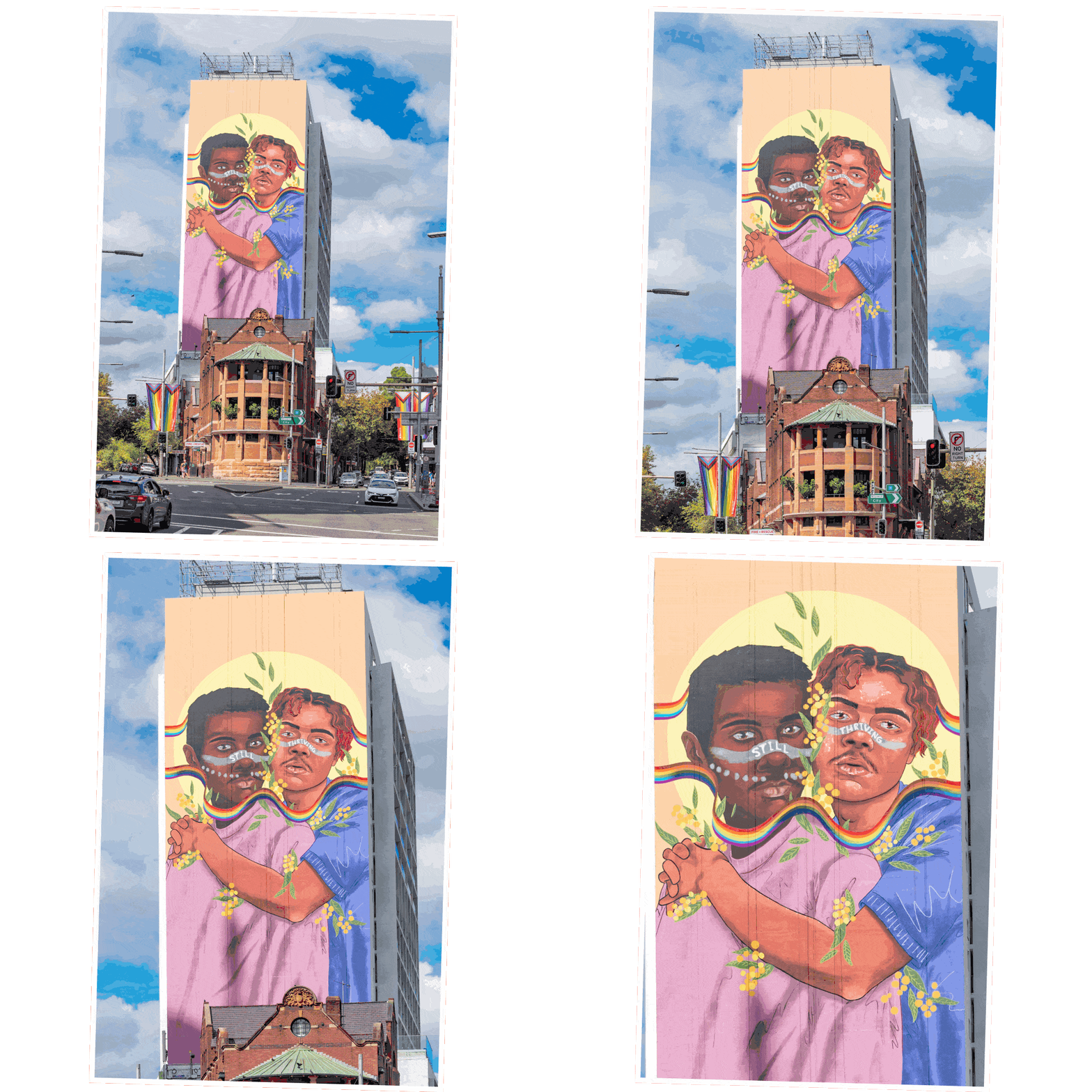
FIRST NATIONS QUEER CULTURE GOES CENTRE STAGE
Sydney Mardi Gras foregrounded beauty led by Pasifika queens, First Nations collectives and plus-size femme performers. The First Nations ‘Blak Royalty’ float, designed by Wiradjuri Walbunja woman Jinny‑Jane Smith, centred Indigenous queer culture and visibility in the heart of WorldPride’s main parade.
REFERENCES
(IMAGE) 2023, Stephen Dwyer, Alamy.
DATE
2022
THEME
PRODUCT, CULTURE
ENTRY
GLAZED, SLUGGED AND CHRONICALLY HYDRATED
‘Glazed donut skin’ became the gold standard: dewy, hyper-hydrated and filter-like. TikTok erupted with 12-step routines, layering mists, essences, barrier creams and oils. Slugging (sleeping in petroleum jelly) went mainstream.
REFERENCES
(IMAGE) 2022, Jerome Domine, Alamy.
(IMAGES) 2025, MECCA.
DATE
2021
THEME
CULTURE
ENTRY
MANA WAHINE IN FOCUS
Oriini Kaipara became the first Māori woman with moko kauae to anchor a prime-time news program on national television. This was after she made history in 2019, presenting a TV news program in NZ. Not a costume, not a trend. A shift.
REFERENCES
(IMAGE) 2022, Oriini Kaipara, Wikimedia.
DATE
2021
THEME
CULTURE
ENTRY
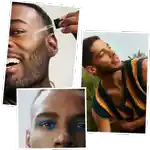
MEN IN THE MIRROR
Men’s grooming evolved beyond razors and cologne. Male influencers embraced tinted moisturiser, concealer and skincare, normalising makeup tutorials and self-care rituals. K-beauty trends helped shift masculine aesthetics in Western markets.
REFERENCES
(IMAGES) 2023, MECCA.
DATE
2021
THEME
POLITICS, IDENTITY
ENTRY
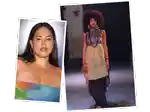
BLAK BEAUTY MOVES FORWARD, FINALLY
Samantha Harris returned to the cover of Vogue and later fronted Gritty Pretty’s September beauty issue. Mahalia Handley, a Māori-Australian model, appeared in national ads, bringing body inclusivity and Indigenous pride to the mainstream. And at Australian Fashion Week, First Nations designers and artists made history, with Blak models walking runways in looks that reflected style and sovereignty.
REFERENCES
(IMAGES) 2023, Sipa USA, Alamy.
DATE
2021
THEME
CULTURE, PRODUCT
ENTRY
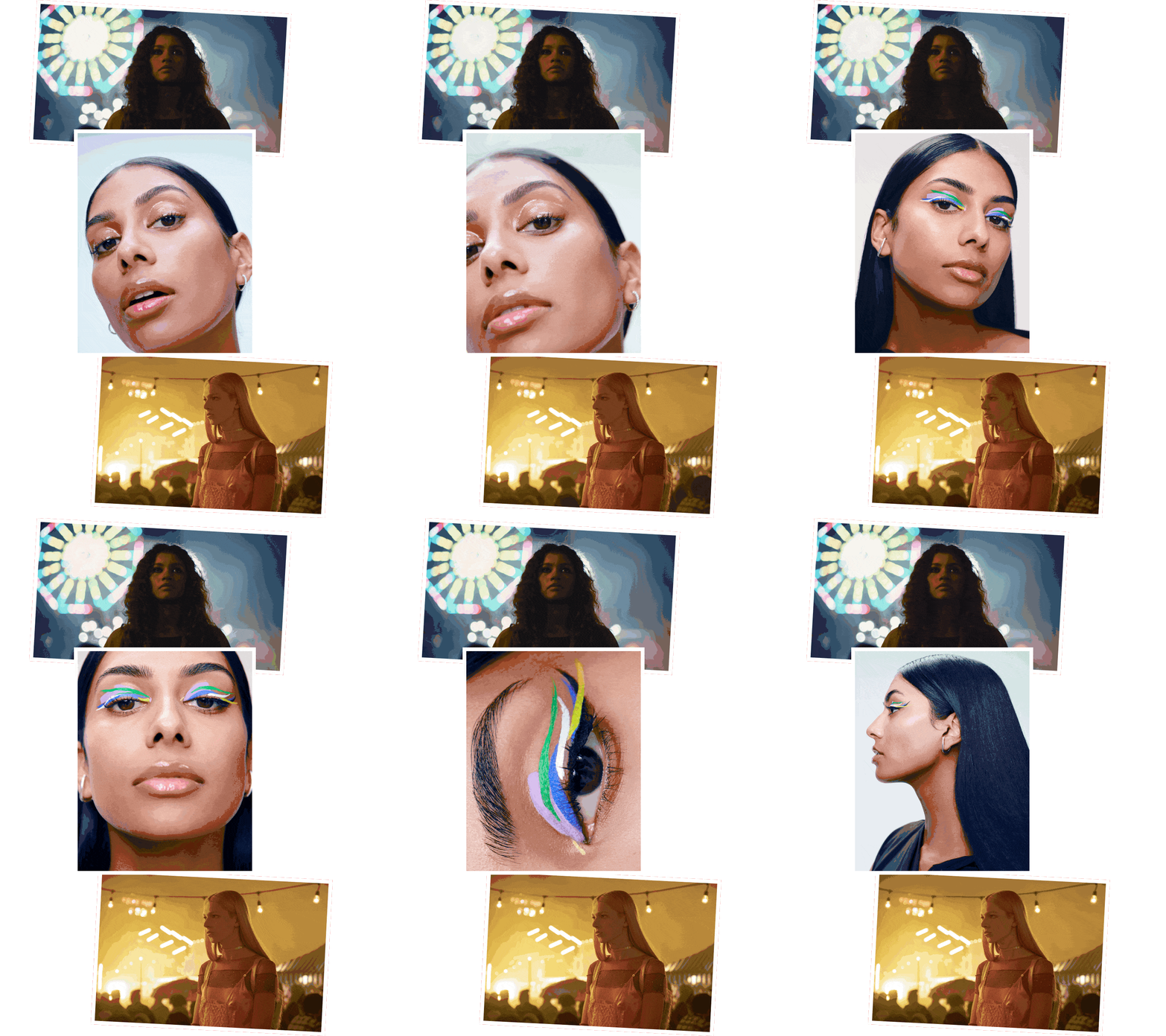
FROM SKINIMALISM TO EUPHORIA
In early 2021, working from home reshaped habits. Lightweight coverage and dewy skin prevailed. By late 2021, lockdown fatigue gave way to bold, expressive looks influenced by Donni Davy for HBO’s Euphoria: rhinestones, neons and graphic eyes.
REFERENCES
(IMAGES) 2019, The Hollywood Archive, Alamy.
(IMAGE) 2024, MECCA.
DATE
2020
THEME
PRODUCT, CULTURE
ENTRY
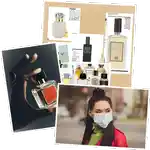
WHAT LIES BENEATH THE MASK
With masks covering faces, perfume became a private ritual, worn for oneself. Fragrances like Glossier Glossier You and Escentric Molecules Molecule 01 dominated the digital beauty discourse.
REFERENCES
(IMAGE) 2025, MECCA.
DATE
2020
THEME
CULTURE, IDENTITY
ENTRY
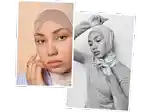
HIJABI BEAUTY CREATORS RISE
In a year dominated by online life, hijabi beauty creators gained global visibility on Instagram and TikTok. Their tutorials balanced faith, fashion and glam, challenging assumptions about modesty and modernity.
REFERENCES
(IMAGES) 2023, Shutterstock.
(IMAGE) 2021, Deagreez, iStock.
DATE
2020
THEME
POLITICS, IDENTITY
ENTRY
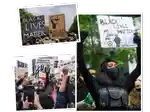
BLACK LIVES MATTER
The Black Lives Matter protests sparked a reckoning in the beauty industry. Brands rushed to pledge support, diversify leadership and expand shade ranges, as consumers demanded accountability.
REFERENCES
(IMAGE) 2020, SOPA Images Limited, Alamy.
(IMAGE) 2020, Leonhard Lenz, Wikimedia.
(IMAGE) 2020, Franz Perc, Alamy.
DATE
2020
THEME
PRODUCT
ENTRY
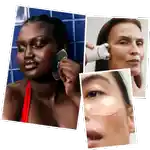
LOCKDOWN AND THE RISE OF RITUALS
With salons closed and the world on pause, skincare became a national obsession. Not for perfection, but for control, comfort and care. ‘Maskne’ and stress breakouts drove demand for serums, barrier creams and DIY facials.
REFERENCES
(IMAGES) 2023, 2024, 2025 MECCA.
2010s
FILTERS, FLUIDITY AND FIRST VISIBILITY
DATE
2019
THEME
IDENTITY
ENTRY
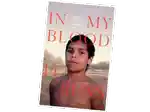
BEAUTY OF BLAK CHILDHOOD
Maya Newell’s documentary In My Blood It Runs offered a rare, intimate portrayal of Blak childhood and family life in Mparntwe (Alice Springs). From hair braiding to Country connection, it centred strength, care and cultural pride revealing how beauty lives in everyday life.
REFERENCES
(IMAGE) 2019, Everett Collection Inc, Alamy.
DATE
2017
THEME
POLITICS, IDENTITY, GLOBAL
ENTRY
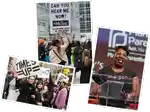
BEAUTY, POWER AND PUBLIC RECKONING
As the #MeToo movement swept the globe in 2017, the industry, long powered by the male gaze, was forced to confront its complicity. Gone were the glossy campaigns promising desirability to men. In their place emerged bolder, real imagery: stretch marks, body hair, grey roots.
REFERENCES
(IMAGE) 2018, Alec Perkins, Wikimedia.
(IMAGE) 2017, Pacific Press Media Production Corp., Alamy.
(IMAGE) 2018, Valery Rizzo, Alamy.
DATE
2016
THEME
GLOBAL
ENTRY
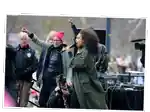
#NOMAKEUP MOVEMENT RISES
A backlash to hyper-curated beauty took hold mid-year. Alicia Keys famously swore off makeup, sparking the #NoMakeup movement. Her choice started a broader conversation about authenticity, pressure and self-presentation.
REFERENCES
(IMAGE) 2017, B Allen, Picryl.
DATE
2016
THEME
CULTURE
ENTRY
INSTAGRAM FACE TAKES OVER
A new beauty standard dominated social media. ‘Instagram Face’ was defined by high cheekbones, a small nose, plump lips, flawless skin and cat-like eyes. Sculpted by filters, copied by makeup and injectables, the look promised perfection but promoted sameness.
REFERENCES
(IMAGE) 2023, MECCA.
DATE
2015
THEME
GLOBAL, PRODUCT
ENTRY
THE KYLIE EFFECT
Kylie Jenner’s lip transformation went viral – fuelled by before-and-after speculation and the now-infamous ‘Kylie Lip Challenge’. Later that year, Kylie Cosmetics launched, selling out in minutes and ushering in the age of influencer-owned beauty brands. Enter: the new beauty economy, where virality and aesthetics were tightly intertwined.
REFERENCES
(IMAGE) 2015, dpa Picture-Alliance, Alamy.
DATE
2015
THEME
POLITICS, IDENTITY
ENTRY
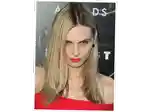
GENDER-EXPANSIVE GLAM
Andreja Pejić, a Serbian-Australian model, became the first openly transgender woman to front a global beauty campaign. That same year, Australia hosted the Miss Gay and Miss Transsexual pageant.
REFERENCES
(IMAGE) 2016, lev radin, Shutterstock.
DATE
2013
THEME
CULTURE, IDENTITY, GLOBAL
ENTRY
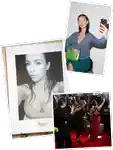
‘SELFIE’ GOES MAINSTREAM
Selfie was named Oxford’s Word of the Year, recognising the explosion of self-portraits in digital life. What began as playful became political: selfies allowed women, queer people and people of colour to control how they were seen.
REFERENCES
(IMAGE) 2015, WENN Rights Ltd, Alamy.
(IMAGE) 2013, WENN Rights Ltd, Alamy.
(IMAGE) 2023, MECCA.
DATE
2013
THEME
CULTURE
ENTRY
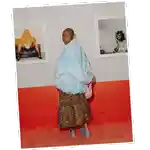
COLOUR, CONFIDENCE AND CULTURAL SHIFT
Lillian Ahenkan (aka Flex Mami) emerged as a bold, feminist force, blending humour, identity and visual style. She redefined what Australian beauty could look and sound like online.
REFERENCES
(IMAGE) Lillian Ahenkan, @flexmami.
DATE
2012
THEME
POLITICS, IDENTITY
ENTRY
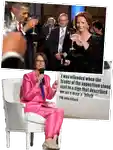
JULIA GILLARD’S MISOGYNY SPEECH
Julia Gillard endured years of sexist scrutiny; comments on her clothes, hair, voice and legitimacy. In 2012, Australia’s first female Prime Minister fought back. Her now-iconic misogyny speech went global, exposing the sexism female leaders still face and paving the way for a new generation of women in power.
REFERENCES
(IMAGE) 2011, White House Photo, Alamy.
(IMAGE) 2015, dpa Picture-Alliance, Alamy.
(IMAGE) 2013, Jason Freeman, Alamy.
DATE
2010
THEME
CULTURE
ENTRY
INSTAGRAM, CONTOURING AND FEED-READY FACES
YouTube stars like Jaclyn Hill and NikkieTutorials turned high-impact contouring into viral content and profitable personal brands. With Instagram’s launch, the selfie era made ‘camera-ready skin’ a global obsession.
REFERENCES
(IMAGE) 2020, &C, Wikimedia.
(IMAGE) 2024, MECCA.
2000s
THE AIRBRUSHED AGE MEETS THE UPLOAD ERA
DATE
2009
THEME
CULTURE
ENTRY
LINER, CONCEALER, LIBERATION
YouTube became a powerful platform for queer and trans beauty creators. Vloggers like Gigi Gorgeous shared tips offering tools for visibility, validation and identity-building, long before mainstream brands acknowledged gender diversity.
REFERENCES
(IMAGE) 2022, UPI, Alamy.
DATE
2007
THEME
CULTURE
ENTRY
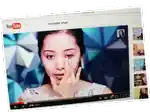
YOUTUBE BEAUTY GURUS APPEAR
In 2007, Michelle Phan began uploading makeup tutorials to YouTube, marking the rise of beauty gurus. Australian creators started sharing their tutorials from bedrooms and bathrooms, giving rise to self-made beauty stars.
REFERENCES
(IMAGE) 2014, Web Pix, Alamy.
DATE
2007
THEME
CULTURE, PRODUCT
ENTRY
THE KARDASHIANS AND HOURGLASS CURVES
Kim Kardashian’s hyper-curated look – glossed lips, contoured cheeks and hourglass curves – became the blueprint. It signalled a shift away from early-2000s thinness and towards a surgically enhanced, ultra-feminine ideal.
REFERENCES
(IMAGE) 2010, Courcelles, Wikimedia.
DATE
2007
THEME
CULTURE, IDENTITY
ENTRY
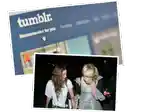
TUMBLR: ALT BEAUTY GETS A FEED
A digital moodboard for teens navigating identity, aesthetics and emotion. Emo and scene beauty exploded across both Tumblr and Myspace, defined by raccoon eyeliner, side-swept fringes, neon streaks and lip piercings. DIY was everything.
REFERENCES
(IMAGE) 2008, ZUMA Press, Inc, Alamy.
(IMAGE) 2015, laurentiu iordache, Alamy.
DATE
2004
THEME
PRODUCT, POLITICS, ADVERTISING
ENTRY
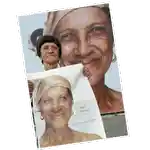
THE BEAUTY AD THAT SAID NO PHOTOSHOP
Dove launched its campaign for Real Beauty featuring women of different sizes, ages and backgrounds, photographed without digital retouching. It challenged the industry’s narrow beauty standards and promised to promote self-esteem through visibility.
REFERENCES
(IMAGE) 2005, dpa Picture-Alliance, Alamy.
DATE
2004
THEME
IDENTITY, CULTURE
ENTRY
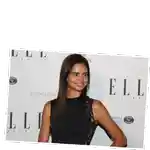
A NEW FACE OF BEAUTY
At just 13 years old, Samantha Harris, a proud Dunghutti woman from northern New South Wales, won the Girlfriend Model Search. Harris’s debut disrupted the narrow whiteness of early-2000s fashion and planted the seed for change.
REFERENCES
(IMAGE) 2014, Richard Milnes, Alamy.
DATE
2004
THEME
CULTURE
ENTRY
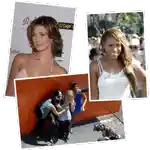
THE RISE OF THE REALITY BEAUTY
A new kind of beauty icon hit the screens. Not actors or models, but ‘real’ people made famous by reality TV. From Australian Idol to Big Brother, these shows delivered a new message: beauty was influential – reflecting a new aesthetic of the time, with fake tan, perfect teeth and glossy hair front and centre.
REFERENCES
(IMAGE) 2005, Featureflash Archive, Alamy.
(IMAGE) 2007, Robert Wallace / Wallace Media Network, Alamy.
(IMAGE) 2007, Robert Wallace / Wallace Media Network, Alamy.
DATE
2004
THEME
CULTURE, PRODUCT, ADVERTISING
ENTRY
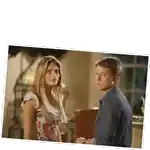
THE O.C. EFFECT
When The O.C. hit Australian screens, it sparked more than just a teen drama obsession. Marissa Cooper and Summer Roberts, with their sunkissed skin, tousled waves, shimmery lids and nude gloss, defined a softer and omnipresent Y2K aesthetic.
REFERENCES
Dolly Magazine - State Library Victoria.
(IMAGE) 2003, Universal Images Group North America LLC, Alamy.
DATE
2003
THEME
CULTURE, PRODUCT
ENTRY
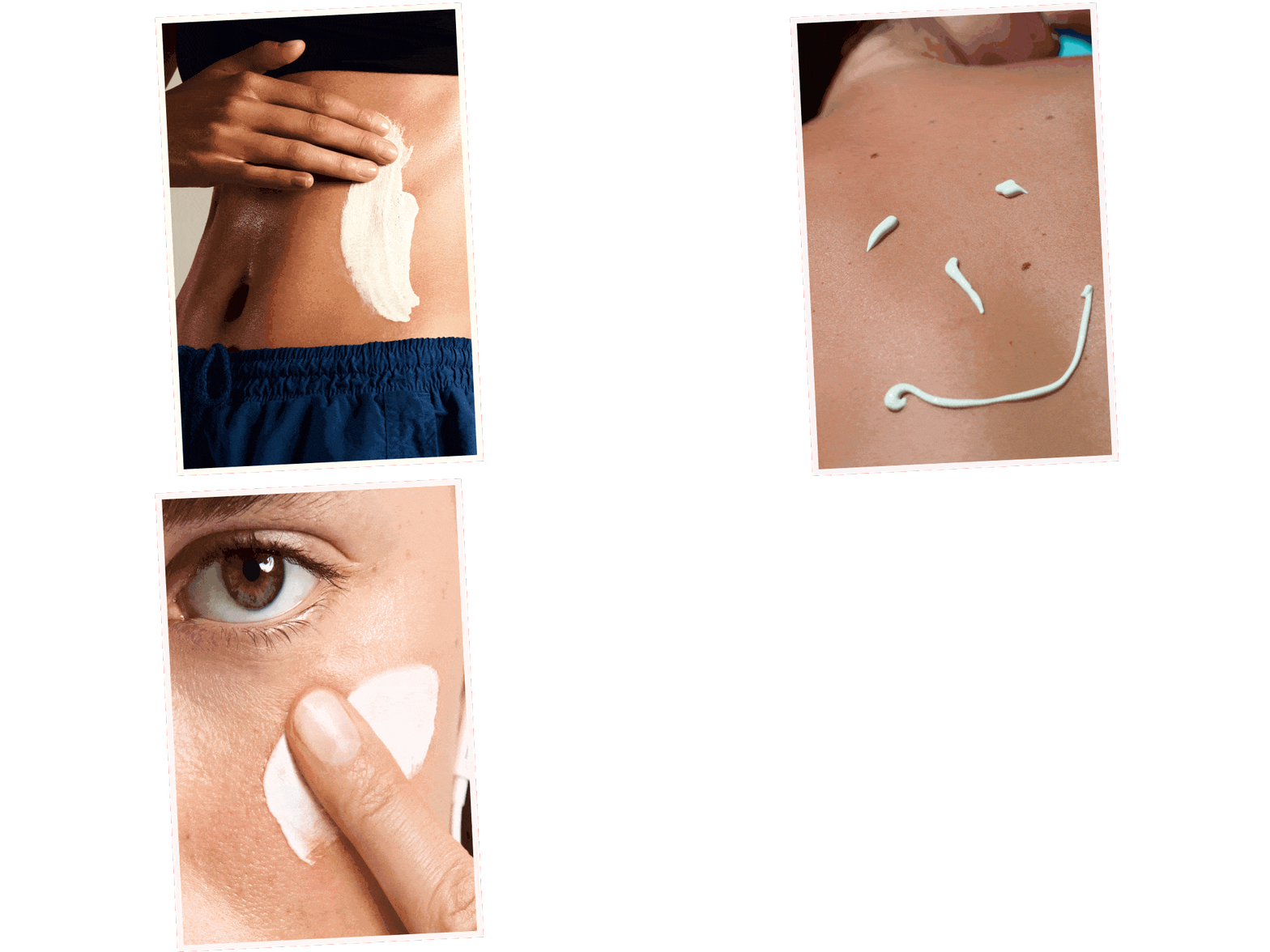
SPF BECAME A SKINCARE STAPLE
In Australia, where sun exposure is high and skin cancer rates are among the world’s worst, SPF became more than seasonal – it became essential. By 2003, sunscreen was being rebranded. Beauty and skincare products now blended sun protection with hydration and coverage, transforming SPF from obligation to everyday self-care.
REFERENCES
(IMAGE) 2009, Westend61 GmbH, Alamy.
(IMAGES) 2024, MECCA.

DATE
2003
THEME
CULTURE, GLOBAL
ENTRY
BEAUTY GOES ONLINE
The launch of Myspace (2003) and Facebook (2004) reshaped beauty into something algorithmic. Self-image became public property, and beauty became something to be performed, liked, shared and compared.
REFERENCES
(IMAGE) 2011, M4OS Photos, Alamy.
(IMAGE) 2009, AKP Photos, Alamy.
DATE
2000
THEME
PRODUCT
ENTRY
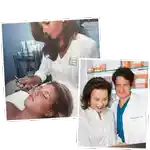
SKINCARE SHIFTED FROM GLAMOUR TO GRAMMAR
The 2000s marked a shift: skincare became clinical – and personal. Brands like Dr. Dennis Gross brought actives into the mainstream. In Australia, Mecca Cosmetica met demand with trained team and guides. Skincare was no longer surface-level – it was studied, personalised and empowered a new kind of self-care.
DATE
2000
THEME
CULTURE, POLITICS
ENTRY
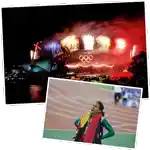
OLYMPIC BEAUTY ON A GLOBAL STAGE
The Sydney 2000 Olympic Games marked Australia’s largest-ever televised event. It was the ceremony’s performers who shaped the visual legacy: Cathy Freeman lit the flame in a sleek metallic bodysuit, embodying power and grace, while Aboriginal and Torres Strait Islander dancers performed barefoot and body-painted, centring Indigenous culture on a world stage.
REFERENCES
(IMAGE) 2000, Henri Szwarc / Stringer, Getty.
(IMAGE) 2000, ROBERT A. WHITEHEAD, Wikimedia.
DATE
2000
THEME
GLOBAL, PRODUCT, CULTURE
ENTRY
THE Y2K AESTHETIC
High-shine, high-effort and unmistakable. The early 2000s saw an explosion of the pop princess with hyper-feminine trends. Beauty was packaged for music stars but copied at school lockers and Westfield salons across Australia.
REFERENCES
(IMAGE) 2013, ZUMA Press, Inc, Alamy.
(IMAGE) 2004, PA Images, Alamy.
(IMAGE) 2001, Abaca Press, Alamy.
1990s
SUPERMODELS, SUBCULTURES AND THE RAZOR-THIN IDEAL

DATE
1999
THEME
CULTURE
ENTRY
DOLLY, GIRLFRIEND AND THE SELFIE BEFORE THE SELFIE
Teen magazines dominated beauty norms, shaping a generation with makeover pages, acne cures, gloss ratings. Rarely diverse, rarely plus-size, rarely attainable.
REFERENCES
State Library Victoria Zine and Magazine Collection.
(IMAGE) 1991, Dolly Magazine, AreMedia.
DATE
1999
THEME
PRODUCT
ENTRY
NARS’ ICONIC ORGASM BLUSH ENTERS THE CHAT
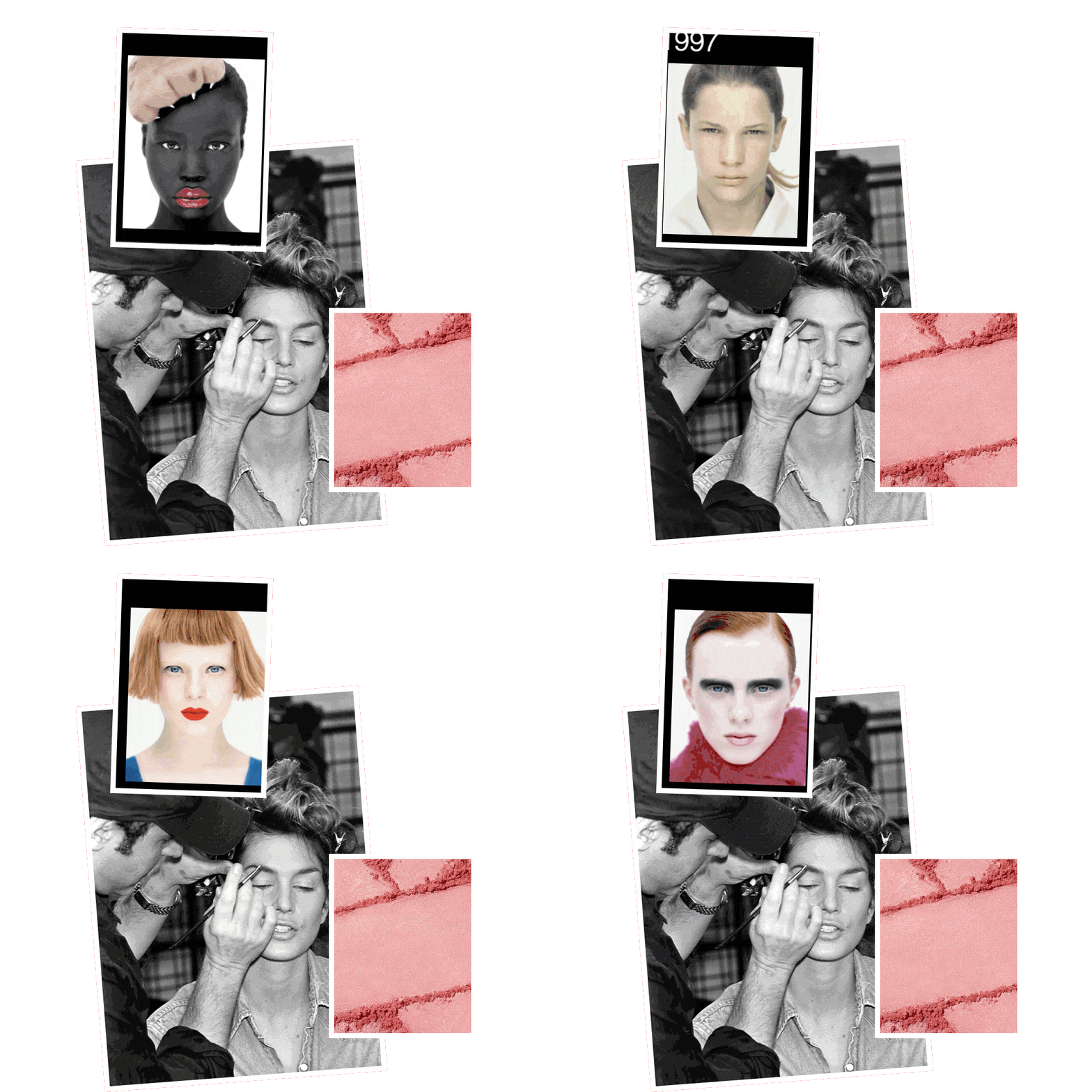
When NARS launched Orgasm blush in 1999, it changed everything. The peachy-pink shimmer flattered everyone – but it was the name that sparked conversation. It became a bestseller, a punchline and a cultural icon. Orgasm didn’t just sell – it shifted how beauty could speak, feel and land on every face.
DATE
1998
THEME
CULTURE
ENTRY
SEX AND THE CITY SHAPES URBAN BEAUTY CULTURE
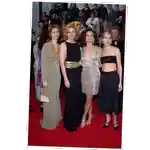
Sex and the City introduced Australians to a new blend of fashion, beauty and lifestyle. Beyond glossy lips, it framed beauty as independence, aspiration and friendship – from getting ready together to turning social rituals glamorous.
REFERENCES
(IMAGE) 2001, Featureflash Photo Agency, Shutterstock.
DATE
1997
THEME
PRODUCT, CULTURE
ENTRY
MECCA IS BORN
In a market dominated by male-led luxury brands, department store beauty counters and top-down ideals, MECCA launched in Melbourne with a new ambition: to give beauty back to the consumer. Women-led, shaped by knowledge and open to all.
REFERENCES
(IMAGES) MECCA.

DATE
1996
THEME
CULTURE
ENTRY
VIETNAMESE NAIL SALONS BOOM
Affordable, skilled and fast, Vietnamese migrant women and their salons democratised beauty access and redefined luxury as acrylics, nail art and walk-in convenience. Yet, racism and underpayment persisted behind the polish.
REFERENCES
(IMAGE) 2021, Jina Ihm, Alamy.
(IMAGE) NAA: A1211, 3/1996/13B/3.
(IMAGE) 2000, horst friedrichs, Alamy.
DATE
1996
THEME
GLOBAL, ADVERTISING
ENTRY
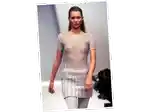
KATE MOSS DEFINES THE ’90S LOOK
By the mid-90s, Kate Moss was everywhere. Her face, her frame, her Calvin Klein campaigns. The pared-back, waifish look went global, and with it came a new standard: thin, pale, hollowed-out.
REFERENCES
(IMAGE) 1995, Pictorial Press Ltd, Alamy.
DATE
1995
THEME
GLOBAL, CULTURE
ENTRY
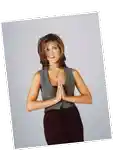
‘THE RACHEL’ CUTS ACROSS AUSTRALIA
Jennifer Aniston’s layered shag haircut, dubbed ‘The Rachel’, became a global phenomenon after its debut on Friends. Australian salons reported a surge in requests for the style.
REFERENCES
(IMAGE) 1994, LANDMARK MEDIA, Alamy.
DATE
1995
THEME
PRODUCT, CULTURE
ENTRY
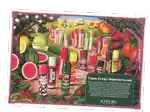
LIP SMACKERS FLOOD SCHOOLYARDS
By the early ’90s, Lip Smackers were everywhere. Clipped to pencil cases, tucked into pockets or traded between friends. These products became a mainstay of Australian teen beauty and marked the rise of beauty-as-accessory.
REFERENCES
(IMAGE) 1979, adsR, Alamy.
DATE
1994
THEME
CULTURE
ENTRY
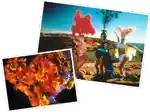
PRISCILLA, QUEEN OF THE DESERT
Stephan Elliott’s cult film took drag out of the margins and into the outback. Makeup, costume, glitter, with a side of trauma. Priscilla glamourised survival and gave rise to pride.
REFERENCES
(IMAGES) 1994, Pictorial Press Ltd, Alamy.
DATE
1993
THEME
CULTURE, IDENTITY
ENTRY
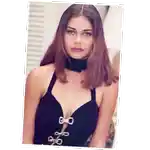
ELAINE GEORGE BREAKS THE COVER
Elaine George was the first Aboriginal model to appear on the cover of Vogue Australia, a milestone that challenged the whiteness of Australian fashion media, signalling a long-overdue shift in representation.
REFERENCES
(IMAGE) 1990, Personal collection of Elaine George.
DATE
1992
THEME
CULTURE, IDENTITY
ENTRY
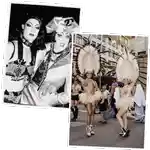
DRAG, DISCO AND DARLINGHURST GLAM
Mardi Gras had gone national, broadcast on SBS and drew international headlines. Drag queens were style icons, glitter lashes showed up in department stores and nightclubs doubled as makeup labs.
REFERENCES
(IMAGE) 1999, Mazz Images, City of Sydney Archives.
(IMAGE) 1996, C.Moore Hardy, City of Sydney Archives.
DATE
1990
THEME
CULTURE, GLOBAL, ADVERTISING
ENTRY
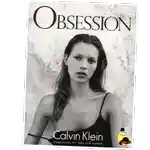
HEROIN CHIC AND THE MEN BEHIND THE LENS
Thin models were the new beauty norm, and it was male photographers, editors and designers who framed the look of fragile, vacant and ultra-thin. ‘Heroin chic’ was lauded in fashion magazines, sold in perfume advertising and echoed in teenage bodies.
REFERENCES
(IMAGE) 1990, Retro AdArchives, Alamy.
